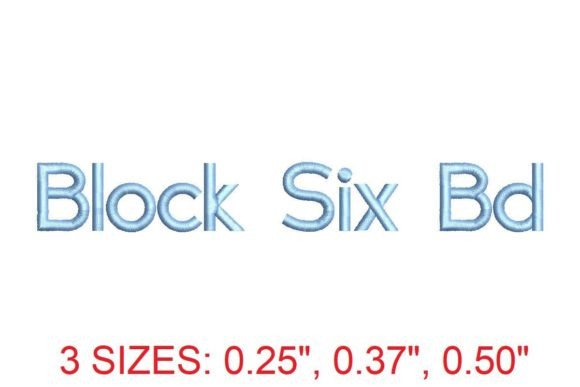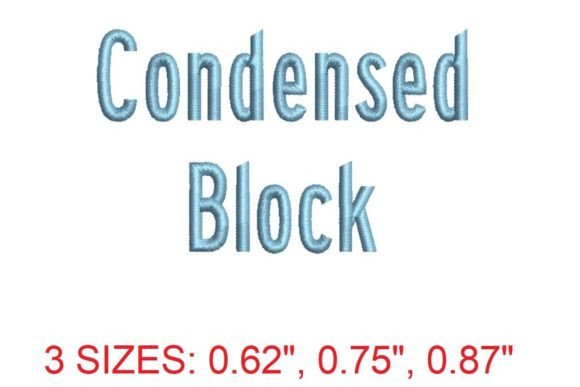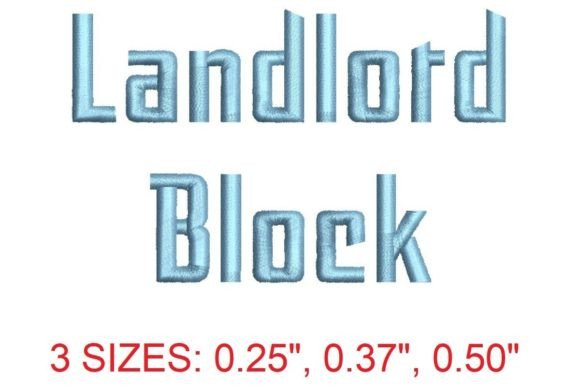
High Narrow Block Embroidery Font
A Designer’s First Look: Sleek, Sophisticated, and Surprisingly Versatile
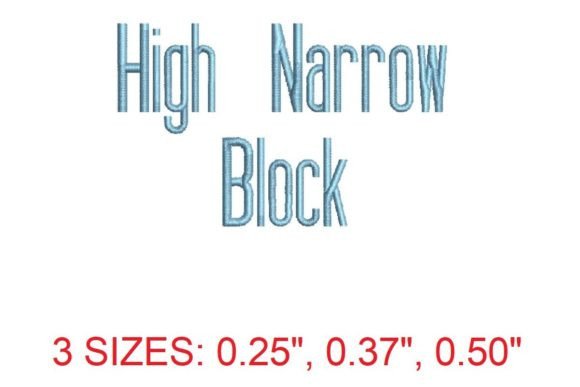
As an embroidery designer who’s stitched over 3,000 personalized gifts—from baby blankets to wedding keepsakes—I opened the High Narrow Block Embroidery Font with quiet curiosity. Not hype, not trend-chasing—just honest assessment. The first thing that struck me? Its quiet confidence. This isn’t a font shouting for attention; it’s the kind that leans in, elegant and intentional. Slender proportions, clean edges, balanced spacing—it feels modern without sacrificing warmth. It lands somewhere between classic and contemporary: refined enough for a monogrammed linen napkin at a vineyard wedding, yet approachable enough for a child’s first embroidered backpack tag. It doesn’t read as sweet or playful, nor does it lean into romance or nostalgia. Instead, it whispers sophistication—a subtle but powerful emotional cue for buyers seeking handmade quality.
Where This Font Truly Shines: Real-World Personalized Gift Uses
The High Narrow Block Embroidery Font excels where clarity, grace, and space-conscious design matter most. For baby embroidery, it elevates nursery items beautifully—think delicate names on organic cotton swaddle blankets or minimalist initials on muslin pillow covers. Its narrow profile means you can fit longer names on smaller surfaces without crowding, a real win for custom order previews and digital mockups.
For wedding gifts, it transforms simple kitchen towels and linen napkins into heirloom-worthy pieces. Imagine “M + J” stitched in soft ecru thread on heavyweight Belgian flax—clean, timeless, quietly luxurious. It also works exceptionally well on tote bags and aprons for boutique gift shops, especially when paired with a small floral motif or single-line border.
Etsy sellers and small shop owners will appreciate how this font photographs. Its crisp lines render sharply in natural light, making product images pop—even on mobile screens. That visual clarity builds immediate customer trust: buyers instinctively associate precision with craftsmanship. And because it avoids ornate flourishes, it reads as intentionally handmade—not mass-produced—which strengthens the emotional connection behind every personalized gift.
In the Back To School category, it adds polish to custom lunch totes, teacher appreciation towels, or embroidered backpack tags—offering distinction without childishness. For craft fairs, it helps your booth stand out: minimalism draws the eye, then the thoughtful personalization seals the sale.
Use With Care: Fabric, Fit, and Functionality
Like any elegant design, the High Narrow Block Embroidery Font asks for thoughtful pairing. Its slender letterforms demand attention to detail—especially on challenging substrates. Avoid using it for very small lettering (under 0.3 inches tall) on dense or textured fabric—stitch definition blurs easily. Thick terry cloth towels? Test thoroughly. The narrow strokes can sink between loops or appear faint without proper stabilizer and adjusted stitch density.
On stretchy baby clothes or curved surfaces like mug sleeves or rounded pillow covers, consider slightly increasing letter spacing or opting for a bolder weight if available—though always verify file options first. Dark fabrics require high-contrast thread colors; what reads clearly on ivory may vanish on charcoal unless you choose bright white, metallic silver, or deep navy. And for products meant for frequent washing—like embroidered towels or kids’ blankets—confirm that the machine embroidery design uses secure underlay and appropriate satin stitch coverage to prevent fraying over time.
Why It Elevates Your Handmade Product—and Your Shop’s Reputation
This font doesn’t just look good—it works hard for your brand. When customers see the High Narrow Block Embroidery Font on a finished product, they don’t just see letters—they see intention. That perception lifts perceived value. A $48 linen pillow cover becomes a $68 curated keepsake. A $22 custom tote reads as investment-worthy, not impulse-buy casual.
For Etsy sellers and digital product creators, offering this font as part of a cohesive collection (say, paired with minimalist floral borders or clean geometric frames) encourages bundle sales and repeat customers. Its adaptability across categories—baby embroidery, wedding gift suites, nursery decor, even teacher appreciation kits—makes it a strategic staple, not a seasonal novelty.
Most importantly, it supports authenticity. In a market flooded with overly cursive or cartoonish fonts, High Narrow Block Embroidery Font feels grounded, human, and quietly confident—exactly the tone your ideal customer seeks in a handmade product.
Practical Embroidery Notes Before You Stitch
Before adding the High Narrow Block Embroidery Font to live orders or listings:
- Test on scrap fabric—especially your most common substrate (e.g., cotton twill for totes, terry for towels).
- Check thread color contrast across light and dark fabric mockups—don’t rely on screen previews alone.
- Confirm hoop size compatibility—narrow lettering often fits comfortably in smaller hoops, but verify alignment for multi-word phrases.
- Review stitch density and adjust if needed for delicate fabrics or heavy-duty use.
- Use proper stabilizer: medium-weight cutaway for stretchy knits, tear-away for stable wovens, and fusible + tear-away for terry.
- Compare light and dark fabric mockups side-by-side before finalizing product photos.
- Check small details after stitching: ensure narrow stems and crossbars remain legible—not lost in thread buildup.
- Confirm commercial licensing before selling finished products—this is essential for Etsy sellers, small shop owners, and wholesale partners.
Remember: a beautiful digital embroidery file only delivers its full potential when matched with mindful execution. Let the High Narrow Block Embroidery Font be your quiet signature—one that says, without saying a word, this was made with care.