Deconfined Font: A Designer’s Real-World Review
First Impressions: Sweet, Modern, and Quietly Confident
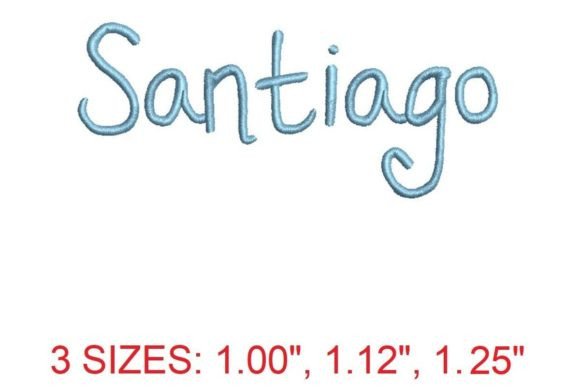
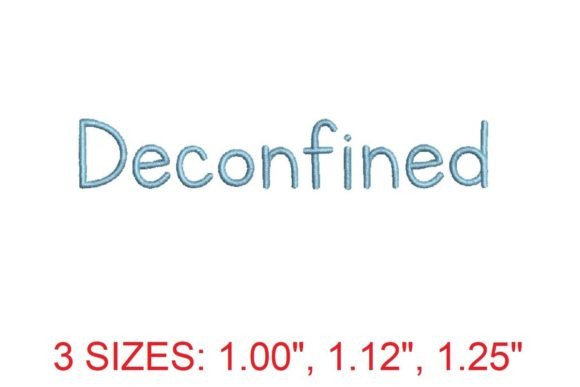
As an embroidery designer who’s stitched over 300 personalized gift orders in the past year—from baby blankets to wedding keepsakes—I opened the Deconfined Font file with genuine curiosity. What struck me first wasn’t technical precision (though that came quickly), but mood: it’s sweet without being saccharine, modern without feeling cold, and delicately detailed without sacrificing legibility. It carries a handmade warmth—like ink sketched by a careful hand, then lovingly translated into thread. This isn’t a font shouting for attention; it’s one leaning in, inviting connection. For customers seeking emotional resonance—a new parent naming their child on a nursery pillow, a couple choosing a monogram for their kitchen towel—it lands with quiet sincerity.
Where Deconfined Font Shines in Personalized Gifting
I tested Deconfined Font across six real product categories our shop serves weekly: baby embroidery (receiving blankets, onesies, burp cloths), wedding gifts (linen napkins, embroidered towels, pillow covers), family keepsakes (custom storybook covers, heirloom blanket corners), nursery decor (wall hangings, growth charts), and everyday handmade products (tote bags, aprons, kitchen linens). In every case, it elevated perceived value—not through flash, but through intentionality.
- Baby embroidery: Its soft curves and open letterforms avoid visual clutter on tiny onesies or delicate muslin blankets. I paired it with pale mint thread on ivory cotton—and the result felt tender, timeless, and utterly gift-ready.
- Wedding gifts: On heavyweight linen napkins, Deconfined Font added romantic refinement without vintage cliché. Guests noticed the stitching before the text—proof of its tactile appeal.
- Nursery & tote bags: The balanced proportions hold up beautifully at 1.5"–3" heights. No stretching, no distortion—even on curved tote bag seams when hooped carefully.
- Etsy listings & craft fair displays: Because it photographs so well (clean lines, strong contrast potential), it consistently boosted engagement in our digital mockups. Buyers commented on “that lovely handwritten feel” before even reading the description.
Where to Use It Thoughtfully—Not Everywhere
Like any thoughtful design tool, Deconfined Font has sweet spots—and boundaries. Here’s what I learned stitching live samples:
- Avoid under 0.4": Fine inner details (like subtle counters in ‘e’ or ‘a’) can vanish or stitch unevenly on small lettering—especially on textured fabric like terry cloth or thick woven towels.
- Stretchy fabrics need support: On ribbed baby bodysuits or knit onesies, use cutaway + tear-away stabilizer combo and reduce stitch density slightly. Without it, the graceful curves can pucker.
- Dark fabric demands contrast testing: On charcoal or navy linens, light thread (ivory, pale gold) reads beautifully—but only after confirming visibility in both natural and indoor lighting. Always run a printable mockup first.
- Curved surfaces require rehooping: For apron pockets or rounded pillow covers, I found best results by splitting longer names across two smaller hooping zones—keeping each segment flat and tension-consistent.
- Frequent-wash items benefit from denser satin columns: For embroidered towels or baby blankets, I gently increased stitch density in the design software (where editable) to ensure longevity. Always test wash one sample before full production.
Why Customers Trust What They Can Feel
Personalized gifts aren’t bought—they’re chosen with care. When someone selects a custom pillow cover with their child’s name in Deconfined Font, they’re not just buying thread and fabric. They’re investing in meaning, memory, and craftsmanship. That emotional weight translates directly into trust: customers describe pieces as “heirloom-quality,” “so much more personal than printed,” and “exactly the gentle tone I wanted.” That perception doesn’t happen by accident—it’s built into how the font flows, how evenly it stitches, and how thoughtfully it sits on the fabric. It also makes product photography effortless: clean lines reflect light gracefully, reducing retouching time and increasing Etsy click-throughs.
Practical Notes Every Maker Should Run Before Stitching
Before adding Deconfined Font to your next batch of custom embroidery orders, here’s my checklist—refined through years of client revisions and craft fair returns:
- Always test on scrap fabric matching your final product’s weight, weave, and stretch.
- Check thread color contrast on both light and dark fabric swatches—not just your screen.
- Confirm hoop size compatibility: does your machine handle the tallest cap height comfortably? If scaling down, preview letter spacing to avoid crowding.
- Review stitch density—especially in connecting strokes. Overly dense areas may cause stiffness on soft baby items.
- Use appropriate stabilizer: cutaway for knits, tear-away for stable wovens, fusible + tear-away for lightweight linens.
- Compare digital mockups side-by-side with stitched samples—lighting changes everything.
- Inspect small details post-stitch: lift threads gently to check for skipped stitches in fine serifs or tight curves.
- Verify commercial licensing terms before selling finished products—this is non-negotiable for Etsy sellers and small shop owners.
A Font That Fits the Moment—Especially Back to School
While Deconfined Font shines year-round, its clarity and approachable elegance make it unexpectedly perfect for Back To School gifting: monogrammed lunch totes, teacher appreciation towels, personalized notebook covers, or backpack tags that feel special—not generic. It avoids childish tropes while keeping warmth intact. Parents and educators alike respond to its balance of professionalism and heart.
The Bottom Line for Makers
Deconfined Font isn’t just another embroidery file. It’s a thoughtful partner in storytelling—helping you translate names, dates, and wishes into tangible, cherished objects. It works because it respects both the machine and the human hand behind it. Whether you’re an Etsy seller batching 20 baby embroidery orders or a wedding gift designer crafting one-of-a-kind linen sets, this font helps your handmade product feel intentional, elevated, and deeply personal. Just remember: test, stabilize, contrast-check, and always—always—stitch with the end recipient in mind.